Cleaning Victorian terraces Stroud Green Road Finsbury Park
Posted on 18/06/2026
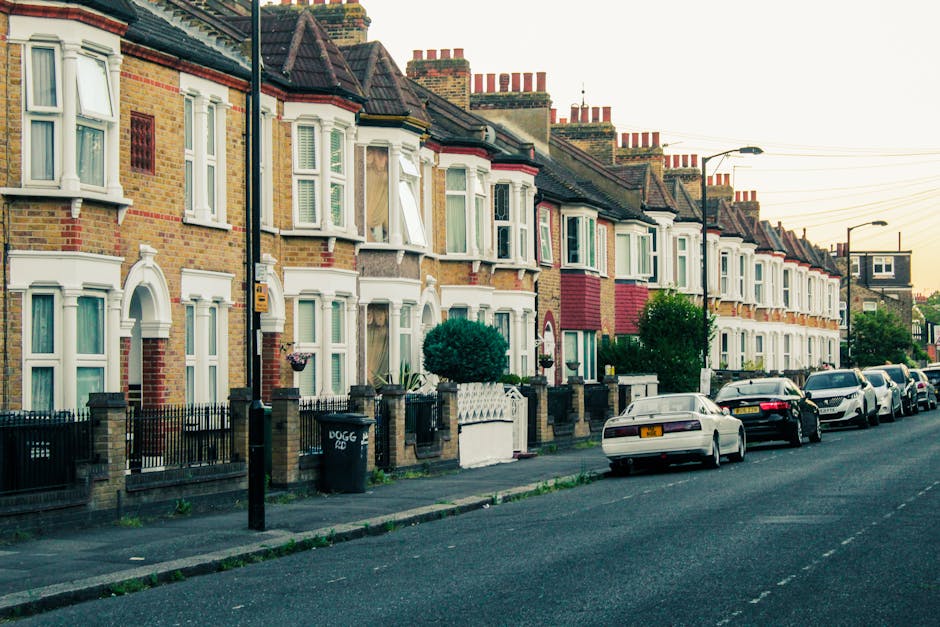
Cleaning Victorian terraces Stroud Green Road Finsbury Park: a practical guide for heritage homes
Victorian terraces have a lot going for them: high ceilings, original details, lovely proportions, and that unmistakable London character. But if you live on or near Stroud Green Road in Finsbury Park, you will also know they can be a bit demanding to keep clean. Dust settles in cornices, soot-like grime clings to older paintwork, carpets take a beating on busy family routes, and narrow hallways seem to collect everything except peace and quiet. Cleaning Victorian terraces Stroud Green Road Finsbury Park is not just about making a home look neat; it is about protecting period features, managing everyday wear, and keeping a house healthy, pleasant, and easy to live in.
This guide breaks down what matters, how the work actually gets done, and where homeowners, landlords, tenants, and property managers tend to trip up. It also covers the practical decisions that make the biggest difference, from cleaning delicate decorative plaster to choosing the right order for dusty rooms after building work. Let's face it, these homes are beautiful, but they do not clean themselves.
Why Cleaning Victorian terraces Stroud Green Road Finsbury Park Matters
Victorian terraces in Finsbury Park are often more than just places to sleep. They are lived-in homes with layered histories, older materials, and room layouts that reward careful upkeep. Dirt behaves differently in these properties. Older windows can let in more draughts and dust, fireplaces may leave residue in awkward corners, and original timber floors can show grit quickly. Even the best-laid modern cleaning routine can feel slightly out of place if it ignores the way these houses were built.
On Stroud Green Road and the surrounding streets, a lot of homes see heavy daily use. Commuting, school runs, pets, shared living, and the usual London foot traffic all add up. If you leave grime for too long, it becomes harder to remove and can start affecting paintwork, textiles, and finishes. That is especially true in older properties where surfaces may already be a little fragile.
There is also the practical side. Clean homes feel bigger, brighter, and easier to manage. A well-kept terrace is nicer to live in, easier to market, and usually less stressful when it is time for a deep clean, a tenancy changeover, or a pre-sale refresh. If you are also thinking about the wider area and what it offers, some residents enjoy reading about living in Finsbury Park from a resident's point of view or exploring the beauty of Finsbury Park as a suburban haven.
How Cleaning Victorian terraces Stroud Green Road Finsbury Park Works
The best cleaning approach for a Victorian terrace is methodical. Start high, work down, and treat each material according to what it can tolerate. That sounds obvious, yet people often rush straight to floors and forget the dust that drops from shelves, picture rails, and architraves. In an older terrace, gravity is not your friend.
Most thorough cleans follow a sequence:
- Dry dusting first to remove loose debris from ledges, woodwork, and fabric surfaces.
- Detail cleaning for trims, sockets, switches, skirting boards, and hard-to-reach corners.
- Surface-safe wiping using the least aggressive method that still achieves the result.
- Textile and floor treatment for carpets, rugs, upholstery, and curtains.
- Final pass to catch fall-out, smudges, and missed marks.
In practical terms, the approach changes depending on the room. A hallway with original floorboards needs different care from a front reception room with thick carpet and heavy curtains. Kitchens and bathrooms, meanwhile, need stronger hygiene focus but still benefit from a gentle hand on older fittings. It is a balancing act, really.
For fabric-heavy rooms, it can help to think beyond the surfaces. Velvet curtains, for example, need a different process from plain cotton blinds or synthetic drapes. If that is part of your home, you may find it useful to read about giving velvet curtains a gentle clean while protecting their plush feel.
And if you are comparing professional options, the wider services overview can help you match the type of cleaning to the job, rather than treating every room the same.
Key Benefits and Practical Advantages
A proper clean in a Victorian terrace does more than improve appearances. The benefits are felt in the day-to-day rhythm of the home.
- Better preservation of period features such as mouldings, banisters, tiled fireplaces, and timber details.
- Healthier indoor environment by reducing dust, pet hair, and built-up allergens.
- Longer life for carpets and upholstery because grit and embedded soil are removed before they wear fibres down.
- Improved light and space since cleaner windows, paintwork, and textiles make rooms feel brighter.
- Smoother moving or rental handovers when the property needs to present well and meet expected cleanliness standards.
There is a less glamorous benefit too: cleaning becomes easier once the home is properly maintained. When layers of grime are gone, weekly upkeep takes less time. That matters in terraces, because these homes can create little cleaning bottlenecks. A busy landing, a deep stair carpet, or a bay window ledge can quickly become a recurring chore unless the buildup is addressed properly.
Expert summary: In Victorian terraces, the smartest cleaning is rarely the harshest cleaning. The goal is to remove soil without stripping character, drying out finishes, or pushing moisture into older materials.
Who This Is For and When It Makes Sense
This kind of cleaning is relevant to a few different groups, and the priorities are not always the same.
Homeowners often want the house to stay healthy, welcoming, and manageable without damaging original features. If you have invested time and money into a terrace, you probably do not want to undo that by scrubbing a century-old bannister with the wrong product. Fair enough.
Tenants may need a stronger deep clean before an end of tenancy, especially if the property has ornate details, carpets in multiple rooms, or a kitchen that has seen a lot of use. If a move is on the horizon, the timing and standard matter. You can also look at end of tenancy cleaning in Finsbury Park for a more structured approach.
Landlords and letting agents often need reliable turnover between occupants, with a focus on presentation, durability, and hygiene. In older terraces, the main risk is cutting corners and making the property look clean without actually refreshing the lived-in areas.
Buyers and sellers may need one-off deep cleaning before photographs, viewings, or completion. In that scenario, it is not about perfection. It is about making the house feel cared for and honest. The sort of clean where people walk in and think, yes, this has been looked after.
Families and shared households often benefit the most from routine help because the daily mess comes from all directions. Shoes, school bags, cooking, pets, and laundry all have a way of multiplying. Strange how that happens.
Step-by-Step Guidance
If you are cleaning a Victorian terrace properly, this order tends to work well. It is simple enough to follow, but detailed enough to avoid common mistakes.
- Open windows where possible. Fresh air helps reduce that stale, dusty feeling, especially after winter or after a long closed-up period.
- Clear the room fully. Move small items, lift loose textiles, and remove clutter from mantelpieces, shelves, and window ledges.
- Dust from top to bottom. Start with cornices, picture rails, light fittings, curtain poles, and tall shelving before tackling lower surfaces.
- Clean woodwork gently. Use a suitable solution for painted skirting, architraves, doors, and bannisters. Older finishes can react badly to strong products.
- Handle textiles carefully. Cushions, upholstery, rugs, and curtains should be cleaned based on fibre type and condition.
- Treat floors last. Vacuum carpets slowly and thoroughly, then mop or polish hard floors only after dust has settled.
- Check the details. Look for smudges around switches, fingerprints on glass, and dust in stair corners. Those little spots are what people notice first, oddly enough.
If the property includes carpets or upholstered seating, it may be worth separating the job into zones. Hallways and stairs often need more frequent attention than upstairs bedrooms. And if the home is also used as an office or studio, a more structured schedule can help; office cleaning in Finsbury Park shows how routine upkeep can be planned without letting the space get overwhelming.
For people who prefer to delegate the more time-consuming parts, domestic support can be a sensible route. You can review domestic cleaning in Finsbury Park or house cleaning in Finsbury Park depending on how much of the property needs regular attention.
Expert Tips for Better Results
Here are the small things that often make the biggest difference.
- Test products on an inconspicuous area first. Especially with older paint, waxed wood, or delicate fabrics.
- Use less water than you think. Victorian properties can be more sensitive to moisture in timber, plaster, and floorboards.
- Vacuum slowly on carpets. A quick pass looks tidy, but a slower pass lifts more grit from the pile.
- Clean the stair edge and hall first. These are the most visible, most used, and most likely to collect grime.
- Work around the home's natural light. Morning sunlight often reveals dust on window reveals that evening light hides completely.
- Keep a small detailing kit handy. Microfibre cloths, cotton buds, a soft brush, and a mild cleaner can save a lot of time.
One simple tip from experience: if a surface looks "a bit dull" rather than obviously dirty, it may just need dust removal and a dry buff. Not everything needs a wet clean. In fact, some surfaces look better after less intervention. A strange sentence to say in a cleaning article, but true.
If your home includes plush or delicate furnishings, it is worth matching your approach to the material. The wrong method can flatten texture or leave marks that take ages to sort out. That is one reason some people prefer to pair regular house upkeep with more specific fabric care.

Common Mistakes to Avoid
These are the mistakes we see most often in older terraces.
- Using harsh cleaners on old surfaces. Strong chemicals can dull paint, damage waxed timber, or leave streaking on period features.
- Over-wetting carpets or wood. Too much moisture can cause long drying times and may create new problems, not fewer.
- Skipping the high-level dust. If you clean the floor before the cornices, you are simply doing the job twice.
- Ignoring stair runners and hallways. These areas take the most wear and often need the most attention.
- Assuming all upholstery is treated the same. Fabric type matters. So does age, finish, and how the item is used.
- Rushing the final inspection. Small marks on switch plates, door handles, or skirting boards can spoil an otherwise excellent clean.
Another mistake is trying to do everything in one go. Terraces can be deceptively large once you add two reception rooms, a staircase, a loft room, and a basement or utility area. Better to finish one zone well than to skim across the whole house and miss the details.
Tools, Resources and Recommendations
You do not need a warehouse of equipment, but you do need the right basics.
| Task | Best tool or approach | Why it helps in a Victorian terrace |
|---|---|---|
| High dusting | Soft brush, extension duster, microfibre cloth | Reaches cornices and ledges without roughing up old paint |
| Woodwork | Lightly damp cloth and mild cleaner | Safer for bannisters, skirting, architraves, and doors |
| Carpets | Vacuum with a good brush setting | Lifts grit from stairs and hallway piles before it wears the fibres |
| Upholstery | Fabric-appropriate cleaning method | Protects texture, shape, and colour on older seating |
| Hard floors | Dry sweep first, then minimal-moisture cleaning | Prevents water damage and streaking on original boards or tiles |
For some homes, it also makes sense to use specialist help for high-wear surfaces. Carpets in terraces can collect dirt fast, especially along stairs and front rooms, so a dedicated service can be a better long-term option than endless spot cleaning. If that sounds familiar, carpet cleaning in Finsbury Park is worth considering as part of the maintenance plan.
And if chairs, sofas, or dining seating are starting to look tired, you may want a more tailored upholstery clean. That can be especially useful in open-plan lower floors where fabric picks up cooking residue and daily use at the same time.
Law, Compliance, Standards, or Best Practice
Cleaning itself is usually a matter of best practice rather than strict regulation, but there are still important standards to keep in mind, especially in occupied homes and rental properties. In the UK, the main principle is simple: cleaning products and methods should be used safely, according to instructions, and with proper ventilation. That sounds obvious, but many problems start there.
For landlords and agents, the quality of cleaning on move-in and move-out should align with the condition of the property and any tenancy agreement obligations. No one benefits from vague expectations. It is better to agree the standard before the job starts than argue about it after the keys change hands.
In practical terms, best practice means:
- choosing products suitable for older materials,
- using adequate ventilation where possible,
- avoiding damage to original fixtures,
- being careful with electrical points and damp around sockets,
- and keeping a clear record of what has been cleaned if the property is being handed over.
If you are comparing providers, trust and process matter as much as the result. Pages such as about us, insurance and safety, health and safety policy, and terms and conditions can help readers understand how a service approach is structured. If a company is transparent about pricing too, even better; pricing and quotes is the sort of page that should answer basic expectations without making you chase details.
Options, Methods, or Comparison Table
Different cleaning approaches suit different parts of a Victorian terrace. A quick comparison helps.
| Method | Best for | Strengths | Watch-outs |
|---|---|---|---|
| Routine domestic cleaning | Weekly or fortnightly upkeep | Keeps dust and clutter under control | May not be enough for deep grime or move-out cleaning |
| House cleaning | Whole-property refreshes | Good for broader, more complete tidying | Needs clear priorities to avoid missing detail spots |
| Carpet-specific cleaning | Stairs, hallways, front rooms | Targets embedded soil and traffic lanes | Should be matched to fibre and pile type |
| Upholstery cleaning | Sofas, chairs, soft furnishings | Freshens fabric-heavy rooms | Delicate textiles need careful treatment |
| End of tenancy clean | Lettings and handovers | More detailed and presentation-focused | Best when booked with enough lead time |
For most terraces, the answer is not one method forever. It is usually a mix. A weekly clean keeps life sane, a periodic deep clean resets the home, and targeted carpet or upholstery work handles the bits that take the most punishment. Simple enough, but that combination is where the value sits.
Case Study or Real-World Example
Here is a realistic example based on the sort of property we often see around Stroud Green Road and nearby streets.
A mid-terrace Victorian house had two reception rooms, a long hallway, a steep stair run, and a busy family kitchen. The owners kept the place tidy, but it had started to feel dull. The hallway carpet showed a dark track down the middle. Painted skirting boards looked grey in daylight. Upstairs, there was dust sitting on picture rails that nobody noticed until the morning sun hit them just right.
The clean began with high dusting and dry removal across the reception rooms. Then the woodwork was wiped carefully, with attention to bannisters, door frames, and the lower panels that collect fingerprints. The carpeted stairs were treated separately so traffic dirt could be lifted properly. In the kitchen, the focus was on grease-prone zones rather than trying to polish every inch of the room. That would have been overkill.
By the end, the house did not look "new" or unnaturally perfect. It looked cared for. Which, in a Victorian terrace, is usually the real aim. The owners said the biggest difference was not one dramatic moment. It was the way the whole house felt lighter to move through. Less sticky. Less tired. More like itself again.
Practical Checklist
Use this before or during a full terrace clean.
- Open windows for airflow where safe to do so.
- Clear surfaces before starting any dusting or wiping.
- Start high and work down.
- Use gentle products on older paint, timber, and plaster.
- Vacuum stairs, hallways, and skirting edges slowly.
- Check curtains, blinds, and upholstery for fabric-specific care needs.
- Treat kitchens and bathrooms last if they are the most heavily soiled.
- Inspect switches, handles, and bannisters for missed marks.
- Allow enough drying time for carpets and textiles.
- Schedule regular upkeep before grime gets established.
If you are preparing a property for viewings or a handover, it can also help to take a quick walk through the home at eye level with natural light in mind. That is when the little things show up. A streak on a mirror, a dusty ledge, a mark by the radiator. Tiny, yes. But they add up.
Get a free quote today and see how much you can save.
Conclusion
Cleaning Victorian terraces Stroud Green Road Finsbury Park is really about respect: respect for older materials, for the way these homes are used, and for the time it takes to do the job properly. The best results usually come from careful sequencing, gentle products, and a realistic plan that separates everyday upkeep from deeper refresh work.
If you live in one of these terraces, you already know they have character in abundance. Keep that character intact by cleaning in a way that supports the house rather than fighting it. A steady routine, a little judgement, and the right help when needed can make the whole place feel calmer and easier to enjoy. And that, truth be told, is worth a lot on a busy London street.
For readers who want to explore more about the local area and life around Finsbury Park, the broader blog archive is a useful next stop, including pieces like house hunting in Finsbury Park and where to party in Finsbury Park. Different topics, sure, but they help build a fuller picture of the neighbourhood people actually live in.