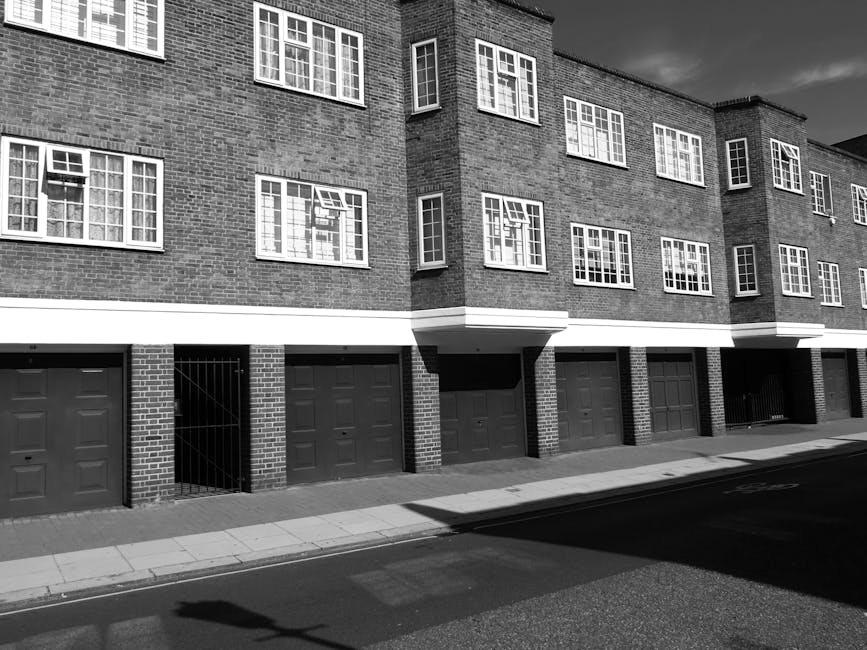
End of tenancy cleaning for Finsbury Park N4 council flats

If you are moving out of a council flat in Finsbury Park, the end of tenancy cleaning can feel like one more thing on an already packed list. Boxes everywhere, keys due back, maybe a final meter reading still to do, and suddenly the oven looks like it has had a hard life. Truth be told, this is exactly when a proper clean matters most. End of tenancy cleaning for Finsbury Park N4 council flats is about leaving the property in a condition that is fair, tidy, and ready for inspection, while protecting your deposit and keeping the move-out process as smooth as possible.
This guide explains what the clean usually involves, why it matters in council housing settings, how to tackle it step by step, and where people most often go wrong. It also includes practical checks, comparison advice, and a realistic checklist you can use before handing the flat back.
Why End of tenancy cleaning for Finsbury Park N4 council flats Matters
End-of-tenancy cleaning is not just about making a flat look nice. In a council flat, it often becomes part of a wider handover process that can include inventory checks, repairs, keys, and confirmation that the home has been left appropriately. The standard is usually simple in principle, but in practice it can be a bit fiddly. Kitchens, bathrooms, skirting boards, limescale, grease, dusty extractor fans, and carpet marks are the usual trouble spots.
Finsbury Park has a mix of older housing stock and newer refurbishments, so the condition of a flat can vary a lot from one tenancy to the next. Some homes are straightforward. Others have those small, stubborn details that only show up when the light hits the bathroom tiles at 8 a.m. A proper clean helps reduce avoidable disputes, and that is the big thing here. Not drama. Not over-cleaning every surface until it shines like a showroom. Just a thorough, sensible finish.
For tenants, the main concern is usually the deposit. For landlords or managing agents, it is the speed and quality of turnover. For housing associations and council-related tenancies, communal expectations can matter too, especially where shared entrances, stairwells, bin areas or corridors are involved. If the property includes shared spaces, you may also want to look at communal area cleaning alongside the flat itself.
Practical takeaway: the best end of tenancy clean is not the fanciest one; it is the one that matches the property's condition, the move-out deadline, and the inspection standards without wasting time or money.
How End of tenancy cleaning for Finsbury Park N4 council flats Works
The process usually starts with a room-by-room assessment. That sounds formal, but it is really just a careful look at what needs attention first. In council flats, the kitchen and bathroom often take priority, then floors, then high-touch surfaces like handles, light switches, and doors. A good cleaner will work from top to bottom, dry areas before wet areas, and save floors until the end so dust does not get dragged around again.
In many cases, the clean will be tied to a move-out schedule. You might be told to clean after the furniture is removed, or you may need to work around a handover appointment. If the flat is empty, things move faster. If there are still leftovers in cupboards, bagged rubbish, or a few neglected items in a bedroom, the job becomes more layered. Sometimes that is when a broader one-off cleaning approach makes sense, especially if the property needs a deep reset rather than a light tidy.
A standard end-of-tenancy clean normally includes:
- kitchen degreasing and appliance cleaning
- bathroom sanitation, descaling and mould spot treatment
- dust removal from ledges, skirting, doors and frames
- vacuuming and mopping floors
- spot cleaning internal glass and mirrors
- removing marks from walls where possible without damage
- bin, cupboard and storage-space checks
If carpets, rugs or upholstery need extra attention, they are usually handled separately. That is often sensible. A light surface clean and a proper stain treatment are not the same thing at all. For stubborn flooring, the relevant service may be carpet cleaning, steam carpet cleaning, or even hard floor cleaning depending on the surface.
Key Benefits and Practical Advantages
The obvious benefit is a cleaner handover. But there are several practical advantages worth spelling out because people often underestimate them.
- Less deposit friction: a properly cleaned flat is less likely to trigger avoidable deductions for cleanliness issues.
- Faster inspection sign-off: when the home is already in good condition, inspections tend to move more smoothly.
- Better first impression: even in a council flat, a neat and cared-for finish helps show you have left responsibly.
- Less last-minute stress: honestly, the biggest win is peace of mind. That one room you keep avoiding? Gone.
- More effective deep cleaning: a focused end-of-tenancy clean often does more than a general tidy-up because it targets move-out problem areas.
There is also a practical maintenance benefit. Once appliances, seals, flooring, and surfaces are cleaned properly, you are more likely to notice damage early. A cracked hob ring, a leaking seal behind the toilet, or a stained mattress can be identified before the handover becomes awkward. If soft furnishings need attention, it can help to pair the clean with upholstery cleaning or mattress cleaning.
Who This Is For and When It Makes Sense
This service is for tenants moving out, naturally, but it is not only for people who are certain a deposit issue is coming. It also makes sense if you are:
- leaving a council flat after a short or long tenancy
- handing over a property at the end of a housing association agreement
- moving from one rented home to another and want a clean break
- preparing a flat for re-let or inspection
- dealing with a home that has had heavier daily use and needs more than routine cleaning
It is especially useful where the flat has older fittings, shared ventilation issues, or long-standing kitchen grease and bathroom scale. Let's face it, some council flats have lived a life. That does not mean they are dirty in a careless sense, just that time leaves its mark. In those cases, a deeper clean is often more realistic than trying to polish around the problem.
If you are moving into another place straight after, you may also find move-out cleaning and move-in cleaning useful as a matched pair. One clears the old place; the other helps you start fresh in the new one.
Step-by-Step Guidance
If you want to handle the job properly, do not start by scrubbing randomly. Start with a plan. A tidy plan saves time, and in a flat, time is usually the thing nobody has enough of.
- Check the handover requirements. Review any tenancy instructions, notes, or move-out guidance you have been given. If something is unclear, ask before you clean, not after.
- Remove all personal items. Empty cupboards, drawers, fridge shelves, and bathroom storage. Left-behind items often make the final inspection messy.
- Sort rubbish and recycling. Take bags out, clear the bin, and remove old food or packaging. The flat should look ready, not half-packed.
- Clean the kitchen first. Tackle grease, the oven, hob, splashbacks, sink, taps, and cupboard fronts. A proper oven cleaning service can be worth it if baked-on residue has built up over time.
- Move to the bathroom. Descale shower heads, taps, tiles, and screens. Clear soap residue, disinfect key touch points, and check around the toilet base and seals.
- Dust and wipe high to low. Start with shelves, light fittings and tops of doors, then work down to skirting boards and floors.
- Clean windows and glass. Internal glass, mirrors, and window tracks often get missed. That is the sort of thing people notice immediately, annoyingly enough.
- Vacuum and mop thoroughly. Do corners, under radiators if reachable, and edges where dirt gathers.
- Deal with stains and odours. Treat spots before they settle in. If there are pet-related smells or marks, use a targeted service such as pet stain odour removal or general stain removal.
- Do a final inspection in daylight. If possible, walk through the flat in natural light or bright white light. Corners, mirrors, and behind taps tend to reveal what you missed.
A small but useful note: if the flat has curtains, soft upholstery, or a rug, clean those too if they are part of the tenancy condition. Light maintenance can be handled through curtain cleaning, rug cleaning, or sofa cleaning.
Expert Tips for Better Results
Here is where the practical experience really helps. Most end-of-tenancy problems are not about effort. They are about sequence, timing, and missing the same few problem spots every time.
- Work from the dirtiest room outward. Usually that is the kitchen, then the bathroom, then living spaces.
- Do not over-wet surfaces. Council flats often have older seals, trims or laminate edges, and too much water can create more problems than it solves.
- Use dwell time for cleaning products. Apply, wait, then wipe. Scrubbing too soon is often why grease and limescale seem to "fight back".
- Check ventilation grilles and extractor fans. These collect dust surprisingly quickly.
- Take photos after cleaning. Keep a simple record of the final condition. Not because you expect trouble, but because it is useful if questions arise later.
- Leave enough time for drying. A flat that smells like fresh detergent but still has damp flooring is not truly ready.
If you are hiring help, ask whether the service is designed as a deep clean or a move-out clean. The difference matters. A good provider should also be clear about expectations, timing, and what is included, which is why pages such as pricing and quotes and terms and conditions are worth reviewing before you book anything.
Common Mistakes to Avoid
People usually make the same few mistakes, and they are easy to avoid once you know them.
- Leaving the clean until the final morning. That is how shortcuts happen.
- Focusing only on visible areas. Inspectors and landlords notice oven seals, inside cupboards, and skirting boards.
- Using the wrong product on a surface. Some materials mark easily. Bleach is not a miracle cure, despite its reputation.
- Ignoring smell as a factor. Clean does not just look clean. It should feel fresh too.
- Forgetting shared areas. If you have hallways, entryways or communal access, do not let them become the forgotten bit.
- Assuming everything must be replaced. Sometimes a proper clean is enough; sometimes it is not. The trick is knowing the difference.
There is also a subtle mistake people make with expectations. They try to make an old flat look brand new. That is not always realistic, and it is not always necessary. What matters is thoroughness, honesty, and a sensible finish.
Tools, Resources and Recommendations
You do not need an industrial kit to do a strong end-of-tenancy clean, but you do need the right basics. If you are managing it yourself, aim for quality over quantity. Too many cleaning products just clutter the job.
- microfibre cloths for dusting and polishing
- a vacuum with a crevice tool for edges and corners
- a mop suitable for your flooring type
- non-abrasive bathroom cleaner
- degreaser for kitchen surfaces
- glass cleaner or a streak-free wipe method
- scrub pads that will not scratch enamel or chrome
- rubber gloves and basic ventilation for safety
If the flat has a mix of surfaces, it may help to use specialist services rather than forcing one product to do everything. For example, a home with laminate flooring, a tired sofa, and a stained hallway runner could benefit from hard floor cleaning, upholstery cleaning, and maybe steam carpet cleaning. That is often more efficient than a series of half-fixes.
For people who prefer to hand the work over, it is sensible to check business credibility as well as price. Look at who they are, how they handle customer issues, and what they say about safety and security. Relevant pages like about us, insurance and safety, and health and safety policy help build confidence before you book.
Law, Compliance, Standards, or Best Practice
This is the part people often want a simple answer on, and fair enough. The short version is that tenancy cleaning should follow the terms of the tenancy agreement and the expected condition at handover. There is no magic universal rule that every flat must be professionally cleaned in every situation. What matters is whether the property is left in the agreed condition and whether any damage or unreasonable dirt has been addressed.
In the UK, the general best practice is to leave the property in a clean, safe, and habitable state, with attention paid to fixtures, fittings, floors and appliances. If the flat is part of a council or housing-association arrangement, the occupation agreement and move-out guidance may set the practical standard you need to meet. Keep your records tidy, ask for clarity where needed, and avoid assumptions. That is the sane way through it.
From a safety point of view, proper chemical handling matters too. Good cleaning practice means using products as directed, ventilating rooms, and keeping different substances separate. If you are hiring a company, ask how they handle safety, equipment, and access. It is not overthinking. It is sensible. And if you care about how a provider works, the details on recycling and sustainability can also be useful, especially if you prefer a lower-waste approach.
Options, Methods, or Comparison Table
There are usually three practical ways to approach end-of-tenancy cleaning for Finsbury Park N4 council flats: do it yourself, book a standard professional clean, or choose a more targeted deep-clean package where the property needs extra attention. The best choice depends on time, condition, and your confidence with detail work.
| Option | Best for | Strengths | Trade-offs |
|---|---|---|---|
| DIY clean | Lightly used flats, tight budgets, plenty of time | Lowest direct cost, full control, flexible timing | Easy to miss detail areas, can be tiring, takes longer |
| Professional end-of-tenancy clean | Most standard move-outs | Efficient, thorough, better for tricky kitchens and bathrooms | Higher upfront cost than DIY |
| Deep clean or mixed-service approach | Heavier build-up, multiple surfaces, stubborn stains | More comprehensive, can include carpets, upholstery, ovens | Can cost more and needs clearer planning |
A mixed-service approach is often the most realistic in older flats. For example, if the kitchen is the main problem but the lounge carpet just needs refreshing, you do not need to treat the whole home the same way. Use the relevant service where it actually adds value. That sounds obvious, but people forget it under pressure.
Case Study or Real-World Example
A tenant in a Finsbury Park council flat once faced a move-out with very little time between work shifts and the final handover. The flat itself was not disastrous, but the kitchen had built-up grease around the extractor hood, the bathroom had limescale on the taps, and the living room carpet had a couple of dark marks near the sofa. A quick tidy would not have been enough.
The approach that worked was simple: start with bins and clutter removal, then the oven and hob, then the bathroom, then dusting and floors, finishing with the carpet spots and a final window wipe. The whole place looked calmer afterwards. Not brand new, not fake-perfect, just properly cared for. That was the difference. The handover was less stressful because the obvious issues were dealt with early, and the rest of the flat was already in decent shape.
That kind of job is a good reminder that end-of-tenancy cleaning is often about prioritising pressure points rather than trying to brute-force everything at once. A focused approach wins, almost every time.
Practical Checklist
Use this checklist before you return the keys. Print it, screenshot it, scribble on it, whatever works.
- all personal belongings removed
- bins emptied and waste taken out
- cupboards, drawers and shelves wiped inside and out
- oven, hob and extractor cleaned
- sink, taps and splashbacks descaled and wiped
- bathroom tiles, toilet, basin and shower cleaned
- dust removed from high and low surfaces
- doors, handles and switches wiped down
- mirrors and internal glass cleaned
- floors vacuumed and mopped
- carpets, rugs or sofas treated if needed
- marks and stains checked in good light
- final photos taken for your records
If the flat has extra items or larger shared spaces to deal with, services like house cleaning, domestic cleaning, or deep cleaning may be worth considering as part of the move-out plan.
Conclusion
End of tenancy cleaning for Finsbury Park N4 council flats is about finishing well. That is really the heart of it. A careful clean protects the handover, reduces avoidable arguments, and gives you a proper sense of closure before you move on. Whether you do it yourself or bring in help, the key is to focus on the detail areas that matter most: kitchen, bathroom, floors, glass, and any soft furnishings that have picked up everyday wear.
The process does not need to be perfect. It just needs to be thorough, sensible, and completed with enough care that the flat is left in a condition everyone can accept. And once that last bag is out the door, there is a very particular relief in the air. Quiet, plain, earned.
Get a free quote today and see how much you can save.
Frequently Asked Questions
What does end of tenancy cleaning for a council flat usually include?
It usually covers the kitchen, bathroom, floors, internal glass, skirting boards, cupboards, doors, and other high-touch surfaces. Depending on the flat, it may also include oven cleaning, carpet care, or stain treatment.
Do I need professional cleaning for a Finsbury Park N4 council flat?
Not always. If the flat is in good condition and you have time, you may be able to do it yourself. Professional help makes more sense when the property has heavy wear, stubborn marks, or a tight handover deadline.
Will a standard clean be enough for council housing inspections?
Sometimes yes, sometimes no. It depends on the tenancy condition, the property's condition at move-out, and whether there are visible grease, limescale, odours, or stains. A standard clean is not the same as a detailed move-out clean.
How far in advance should I book the clean?
Ideally, book as soon as your move-out date is confirmed. Leaving it to the last few days creates pressure, and cleaning always takes longer than people expect. Always, nearly always.
What are the hardest areas to clean before moving out?
Kitchens and bathrooms are the toughest. Ovens, hob grease, limescale, extractor fans, grout lines, and shower screens are the usual trouble spots. Carpets and upholstery can also hold onto marks and smells.
Can I lose part of my deposit for poor cleaning?
Yes, if the property is left in a condition that breaches the tenancy expectations or requires extra cleaning. Keeping the flat clean and documenting the final condition helps reduce that risk.
What if the flat has stains or odours that will not shift?
Then targeted treatment is better than repeating the same scrub-and-hope approach. Services such as stain removal, pet stain odour removal, carpet cleaning, or upholstery cleaning can be more effective than general cleaning alone.
Is it worth cleaning the oven separately?
Usually yes. The oven is one of the first things people inspect, and baked-on grease can make a flat look much less cared for than it is. A dedicated oven clean can make a surprisingly big difference.
Should I clean communal areas too?
If you are responsible for them or have used them in a way that needs attention, then yes. Shared entryways, hall spaces, and similar areas can affect the overall handover impression, so they should not be ignored.
How do I know whether to choose deep cleaning or end of tenancy cleaning?
If the property is empty and only needs a structured move-out clean, end-of-tenancy cleaning is usually enough. If there is heavy dirt, stubborn buildup, or a mix of issues across multiple surfaces, a deeper clean may be more suitable.
What should I check on the final walk-through?
Look at kitchen surfaces, inside appliances, bathroom fittings, floors, windows, skirting boards, and any stains or odours. Use daylight if you can. It reveals the bits artificial light hides, which is annoying but useful.
Where can I find service details before booking?
It helps to review the provider's service pages and policies first. Pages such as pricing and quotes, payment and security, and contact us are useful starting points for understanding process and next steps.